Method
Case LogicEvery Case
Has Its Own Logic.
Complex orthodontic care shaped by clinical reasoning, precise diagnosis and personalized treatment planning.
ReassessmentClinical reasoningDiagnosisTreatment planningDentofacial orthopaedicsSequencing
Dr. Diaa Eldin Altaweel
Clinical reasoning before appliance selection.

Orthodontist
Every case has its own logic.
Approach
Analytical case evaluation, personalized planning and treatment sequencing for complex orthodontic cases.
Digital technology is used as decision support — never as a substitute for examination or judgment.
Practice
15+
Years of specialist orthodontic practice
Framework
8
Stages of case logic
Affiliations
Memberships & Certification Saudi Orthodontic Society
 American Association of Orthodontists
 Invisalign
 University of Michigan
 Damascus University
01First place — 2005 national dental examination
Every case has its own logic. Diagnosis defines the problem. Planning defines the sequence. The appliance executes the decision. Reassessment keeps the plan adaptive.
Clinical reasoning
The value is in how the steps connect.
Diagnosis defines the problem. Planning defines the sequence. The appliance executes the decision — and reassessment keeps the plan adaptive as the case responds.
Diagnosis
01 / 08
Observe
Collecting records and looking at the case before forming conclusions.
Records before opinions
Fig. 01
Define
Naming the actual problems instead of describing a general complaint.
Problem list, not a complaint
Fig. 02
Connect
Reading the relationships between teeth, jaws, soft tissue and function.
Relationships over isolated findings
Fig. 03
Prioritize
Deciding which problem drives the others and must be addressed first.
One problem leads the rest
Fig. 04
Compare
Weighing realistic treatment alternatives against objectives and limits.
Alternatives against limits
Fig. 05
Sequence
Ordering the steps so each stage prepares the one that follows.
Each step prepares the next
Fig. 06
Execute
Applying mechanics as the chosen plan requires, not the reverse.
Mechanics follow the plan
Fig. 07
Reassess
Reviewing the response and adjusting the plan when the case changes.
The plan stays adaptive
Fig. 08
01
Observe
Collecting records and looking at the case before forming conclusions.
02
Define
Naming the actual problems instead of describing a general complaint.
03
Connect
Reading the relationships between teeth, jaws, soft tissue and function.
04
Prioritize
Deciding which problem drives the others and must be addressed first.
05
Compare
Weighing realistic treatment alternatives against objectives and limits.
06
Sequence
Ordering the steps so each stage prepares the one that follows.
07
Execute
Applying mechanics as the chosen plan requires, not the reverse.
08
Reassess
Reviewing the response and adjusting the plan when the case changes.
The value is in how the steps connect.
Diagnosis firstThen the sequenceThen the applianceThen reassessment
Clinical focus
Tools follow the plan.
The technique is selected around the diagnosis, objectives and biological limits of the individual case — never the reverse.
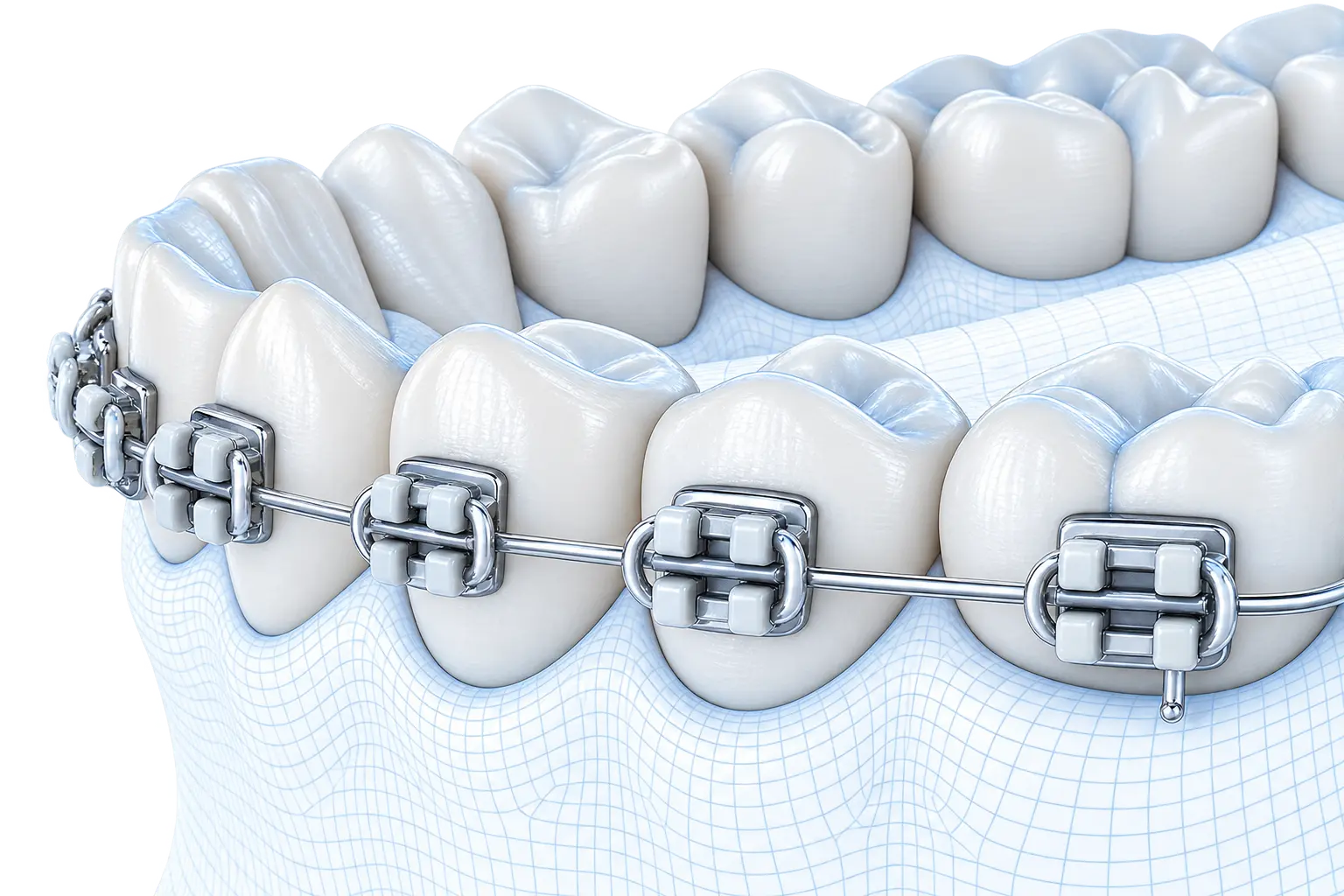
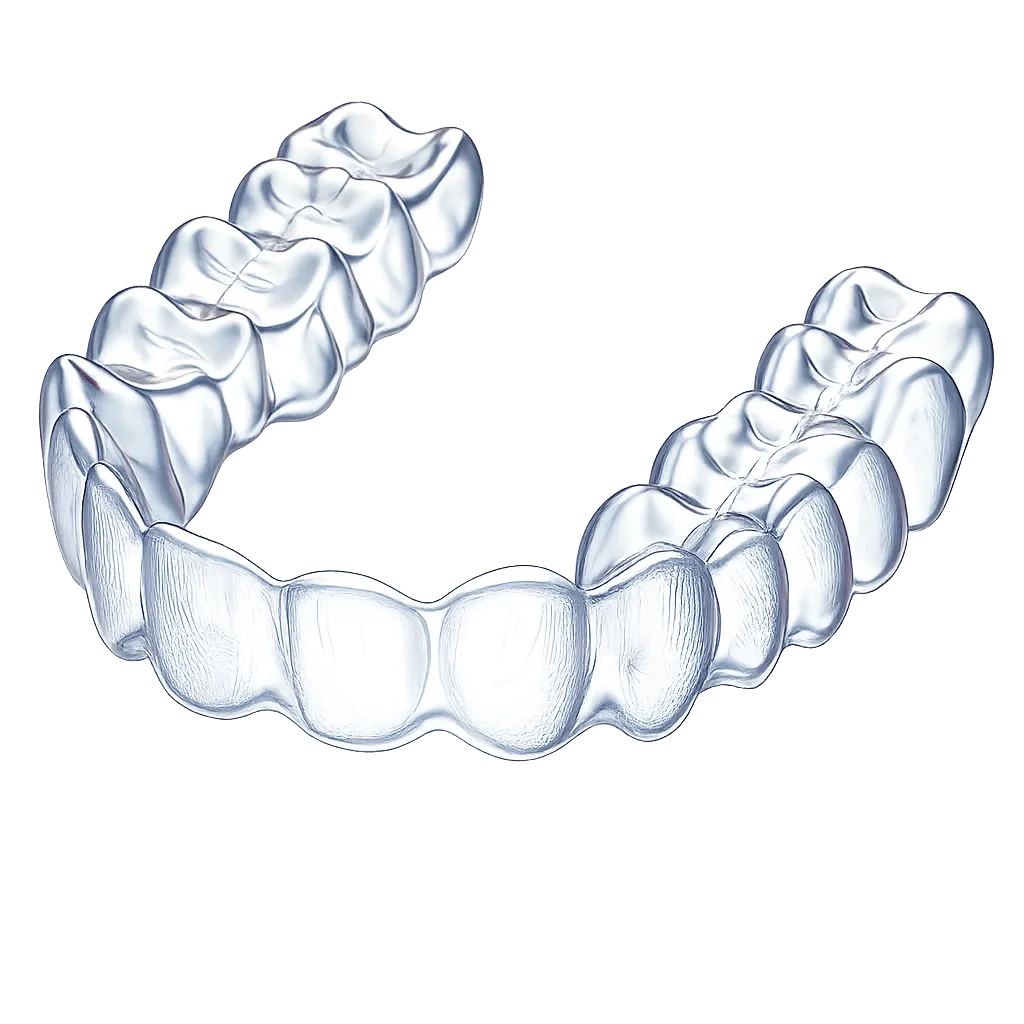
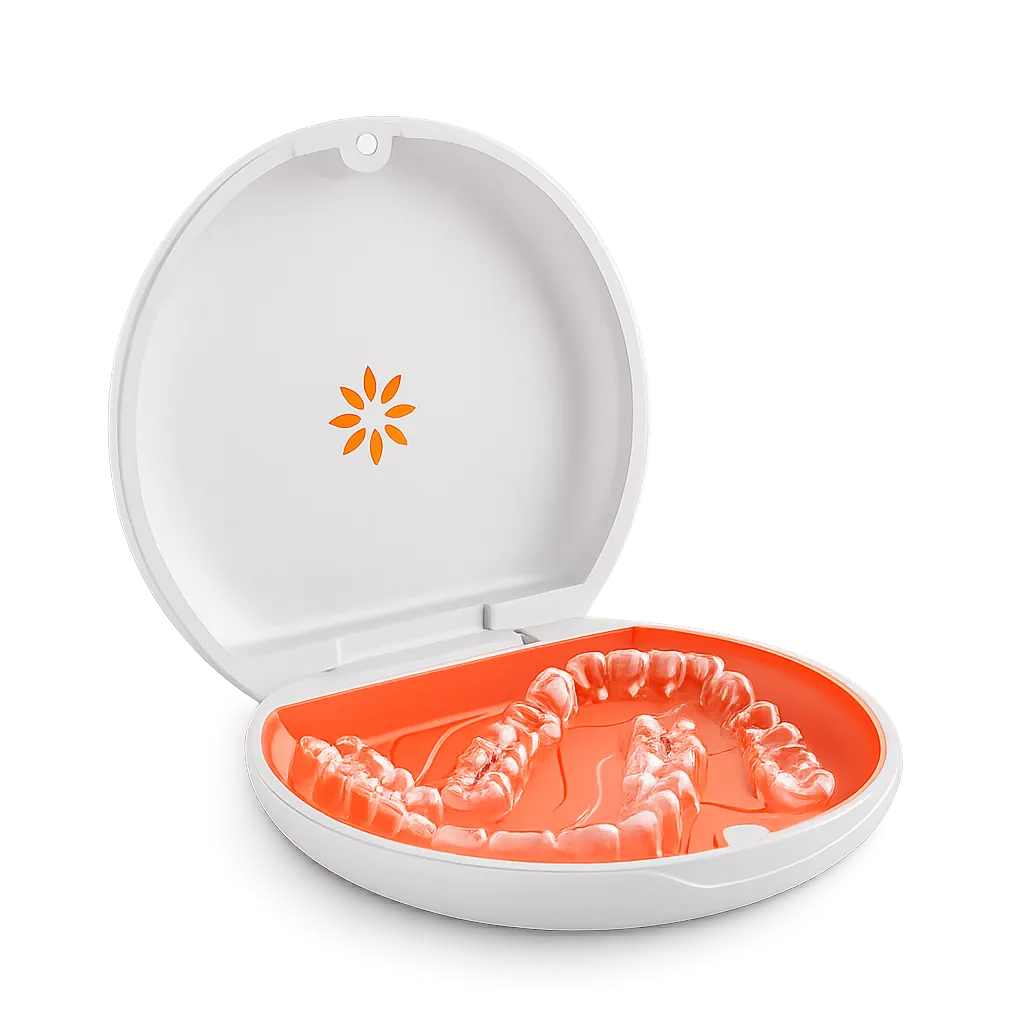
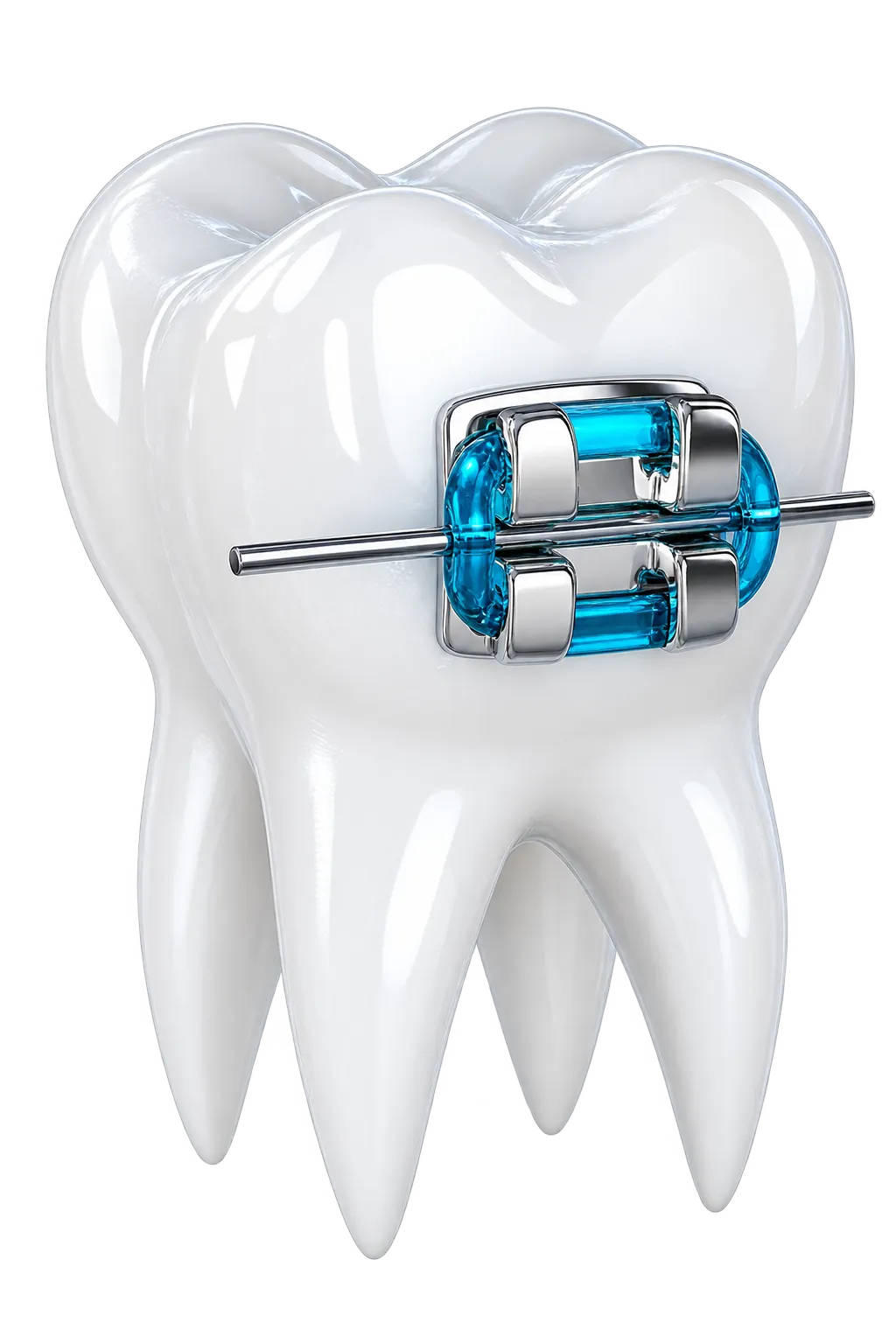 Fixed Orthodontic MechanicsClear Aligner PlanningDentofacial OrthopaedicsAnchorage / TAD-Supported Mechanics
Suitability for any technique is decided by clinical assessment of the individual case.
Clinical focus
Tools follow the plan.
The technique is selected around the diagnosis, objectives and biological limits of the individual case — never the reverse.
- 01
Fixed Orthodontic Mechanics
Brackets and archwires used for controlled three-dimensional movement when the plan calls for that level of control.
- 02
Clear Aligner Planning
Digital staging assessed against the same problem list, with movement limits and clinical monitoring kept central.
- 03
Dentofacial Orthopaedics
Assessment of growth and jaw relationships, where timing is part of the clinical decision.
- 04
Anchorage / TAD-Supported Mechanics
Anchorage strategies, including skeletal support, considered when the required movement demands it.
For dental professionals
A second clinical perspective when the case needs one.
Structured discussion focused on the problem list, options, sequencing and the decision points that shape the plan.
For patients
Before choosing treatment, understand the problem.
Treatment starts with understanding what is happening and which options exist. The right approach for your case can only be decided after a clinical assessment.

Every case has its own logic.
Start with the conversation that fits your case.
For clinicians
Discuss a CaseFor patients
Request an Assessment