
For Patients
Understand the plan before it starts
Diagnosis first. Then the options, in plain language.
The journey
Step by step
Hover a step.
Patient guides
Where to begin
Appliances & tools
What treatment looks like
Each one chosen for what the case needs.
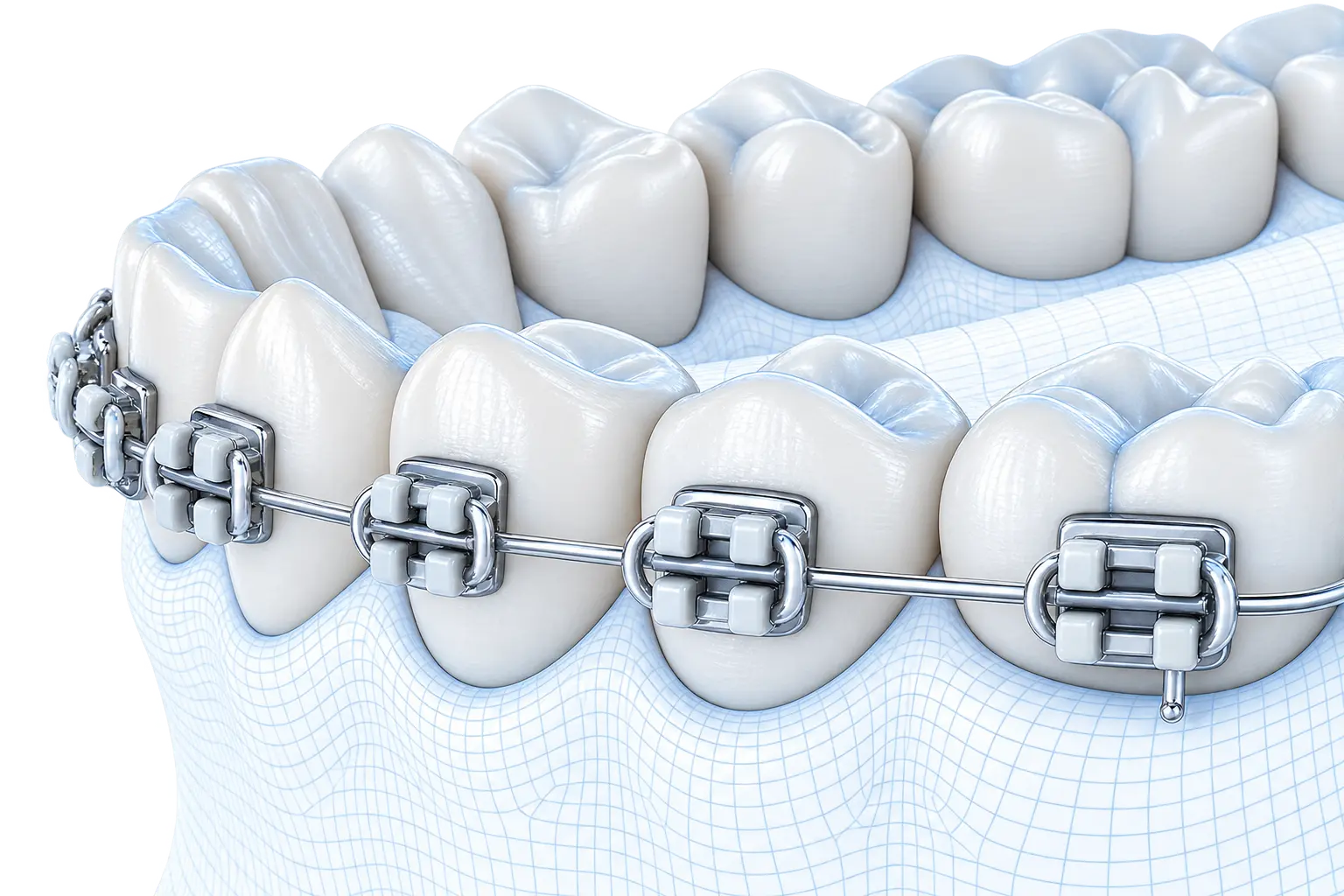
Fixed appliances
Full bracket-and-archwire mechanics for controlled, three-dimensional movement.
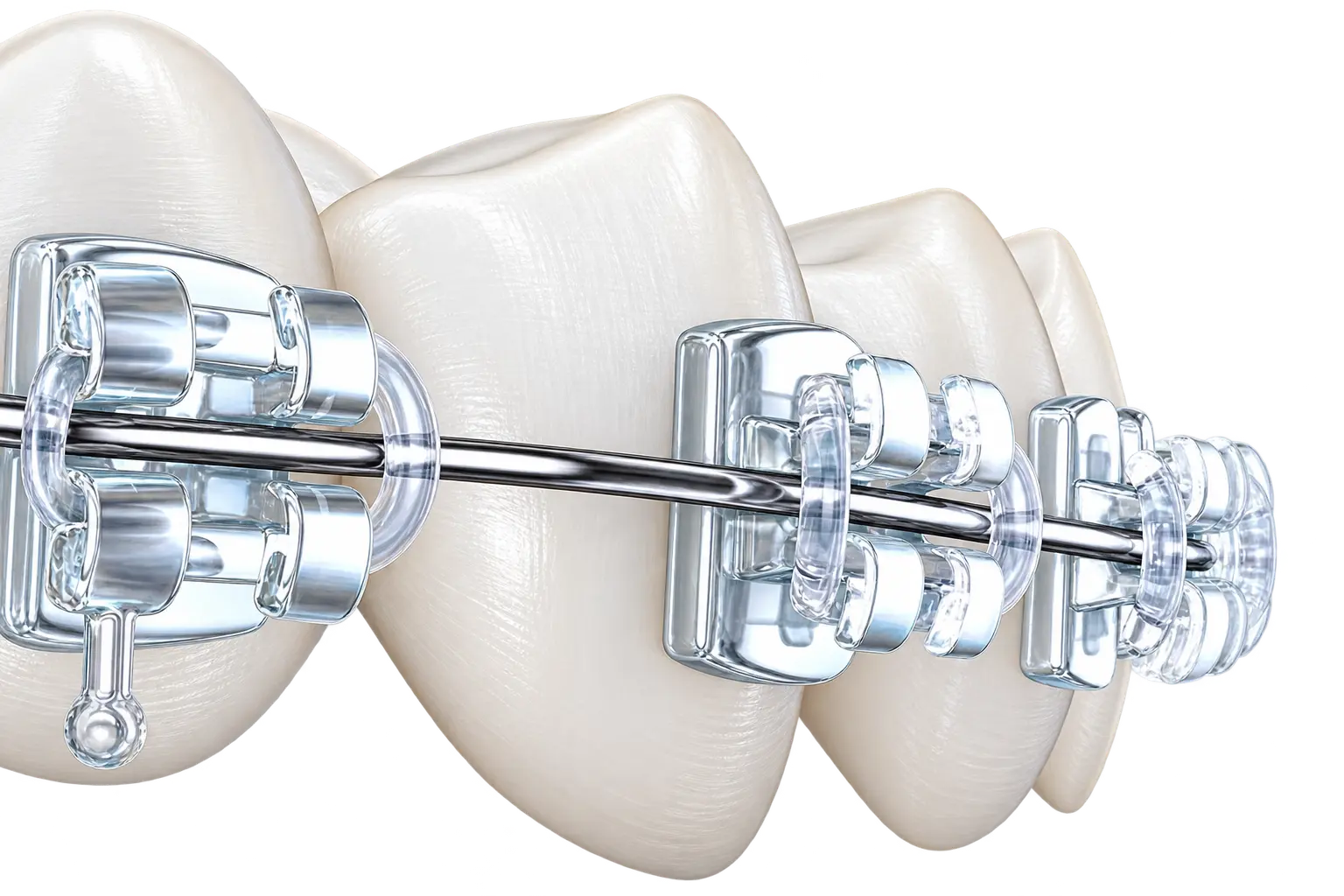
Ceramic brackets
Aesthetic bracket systems where visibility matters more than slot economy.
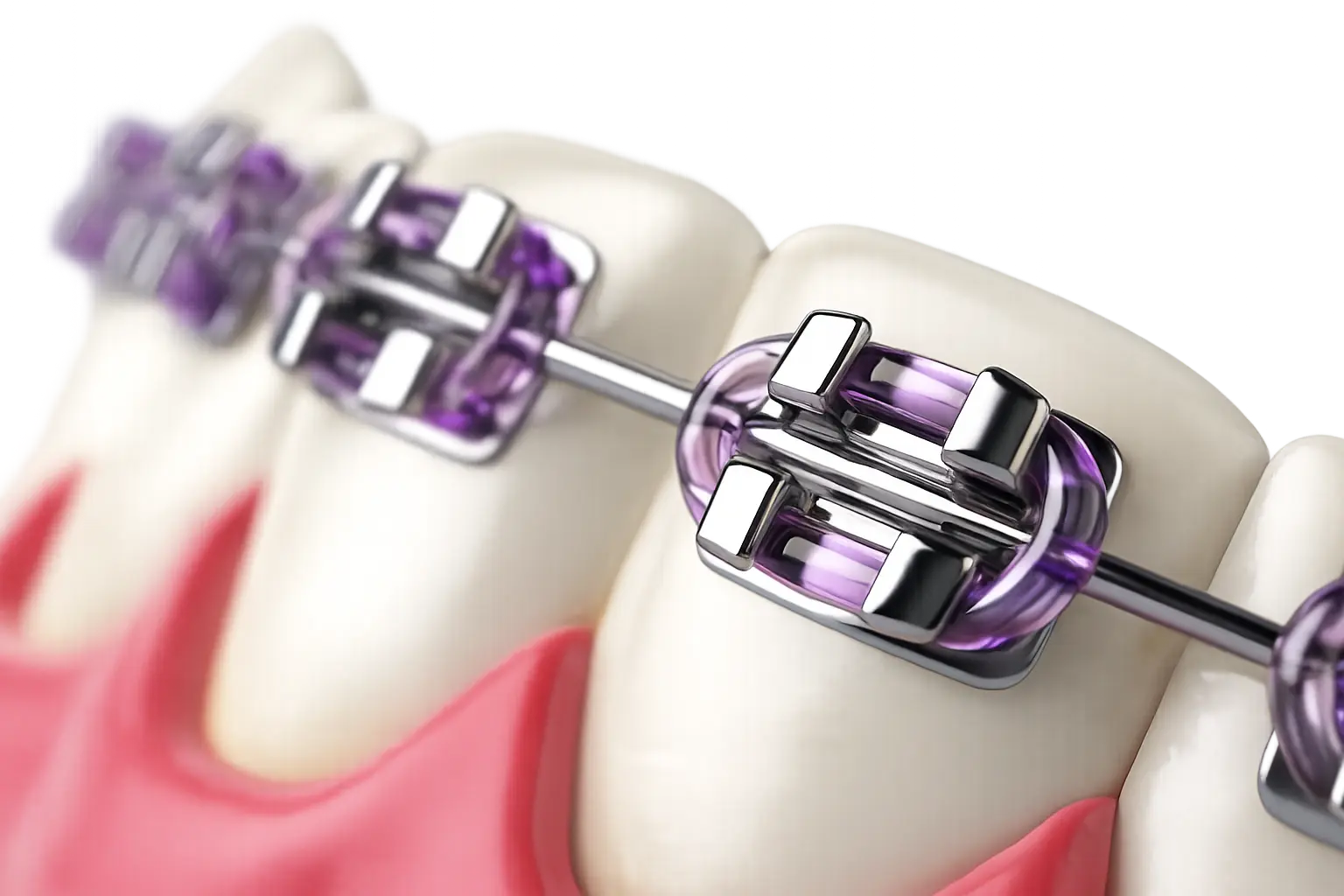
Bracket detail
Slot, ligation and wire choice are decided per stage, not per preference.
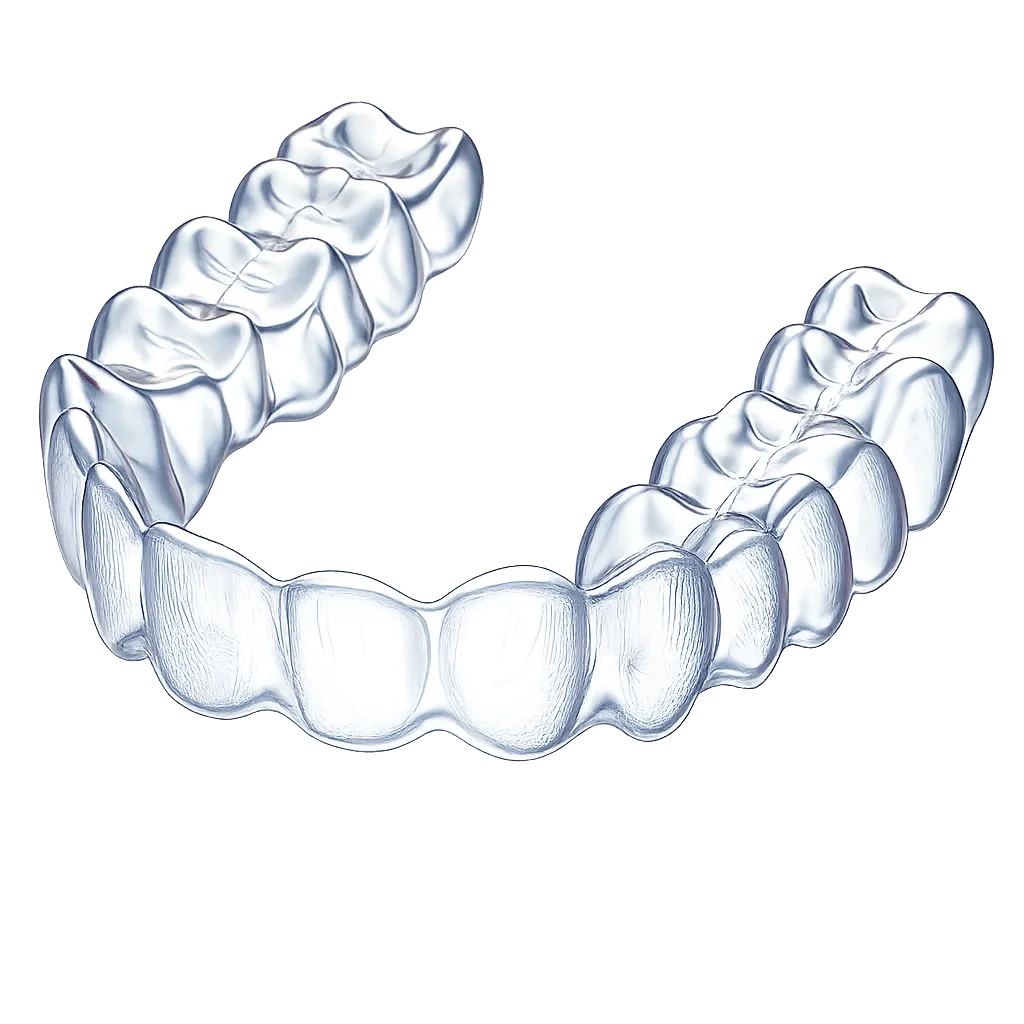
Clear aligners
Aligners planned against the same problem list as any fixed case.
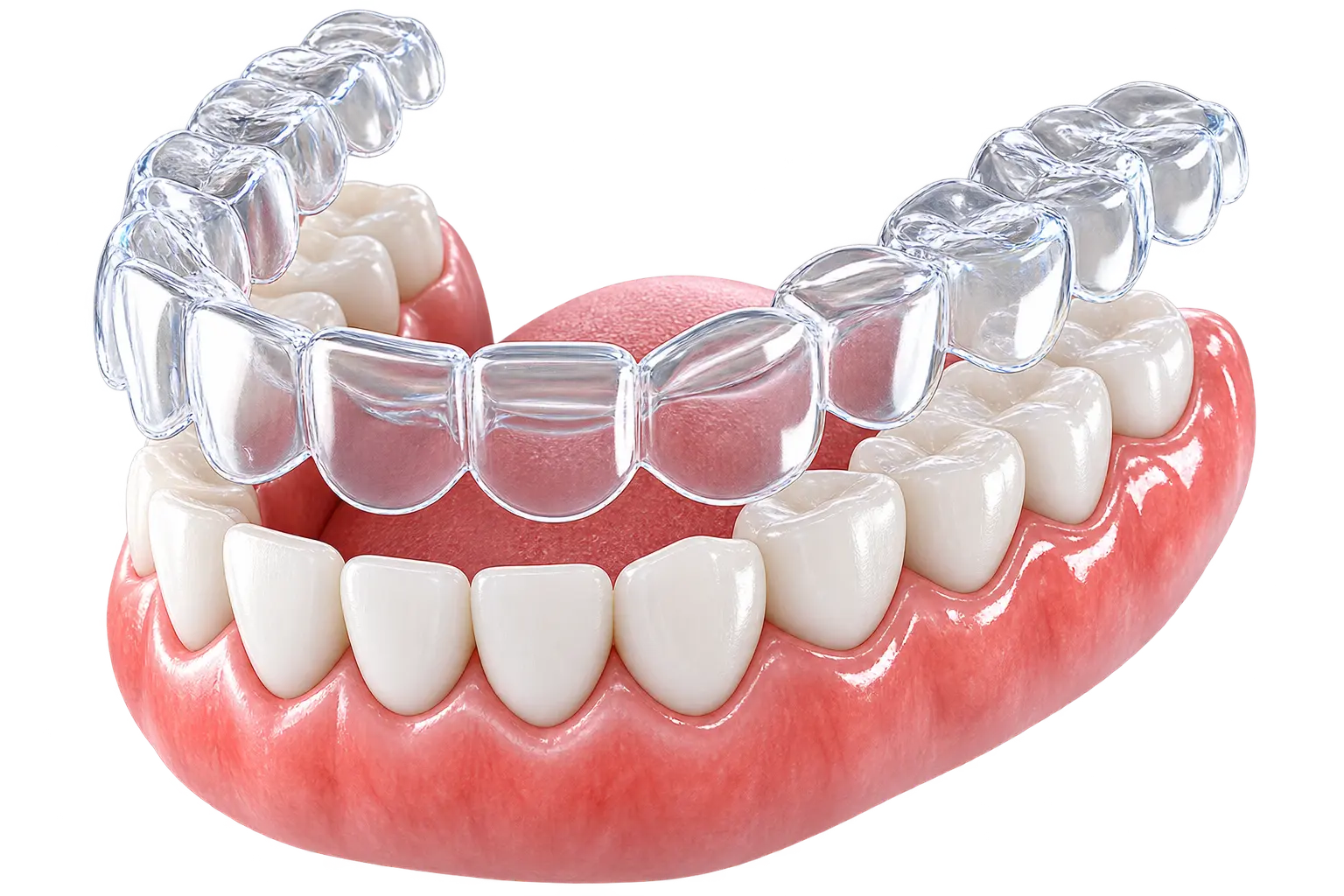
Aligner seating
Predicted movement is compared with achieved movement at each checkpoint.
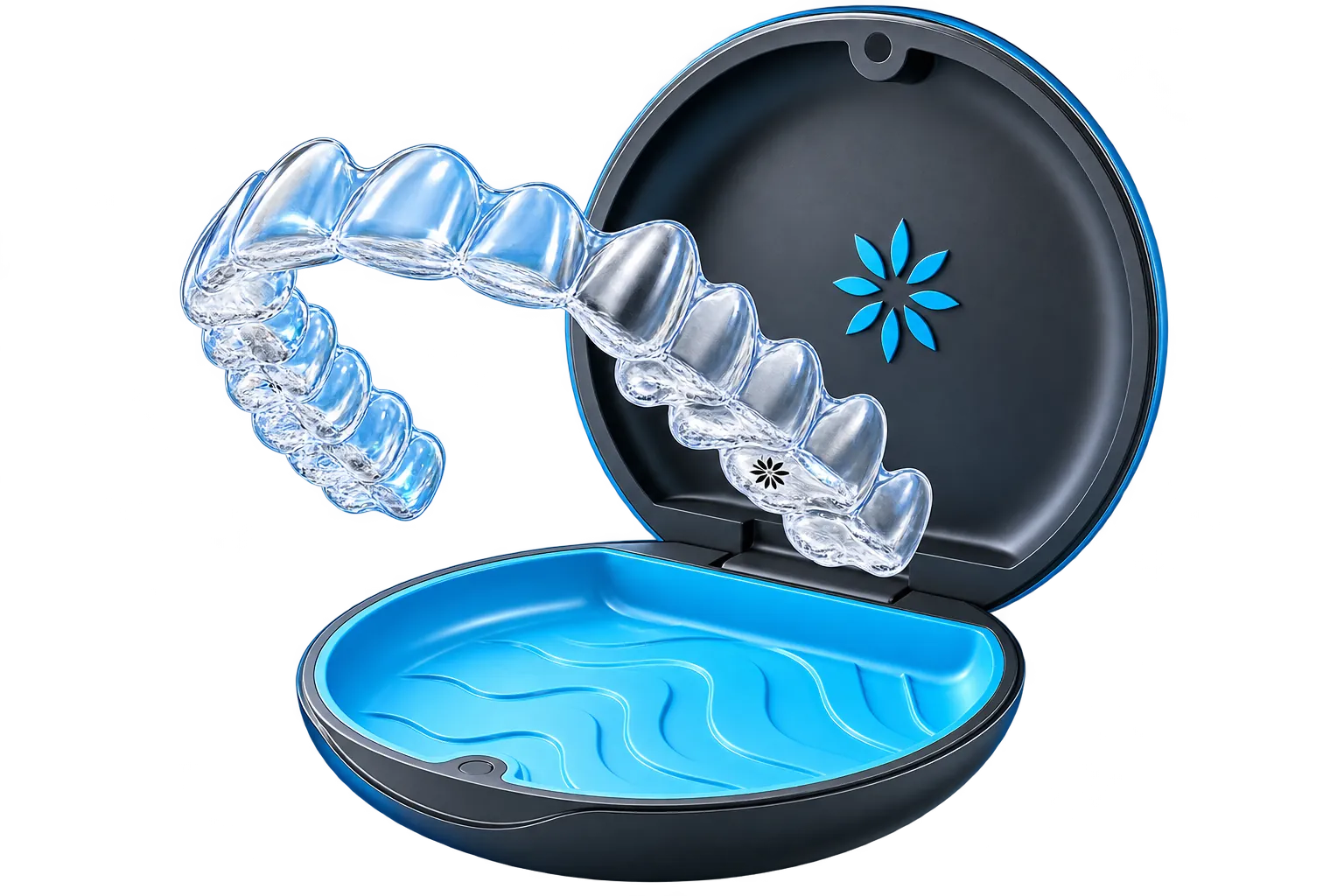
Sequencing & wear
Staging and wear discipline determine whether the setup is achievable.
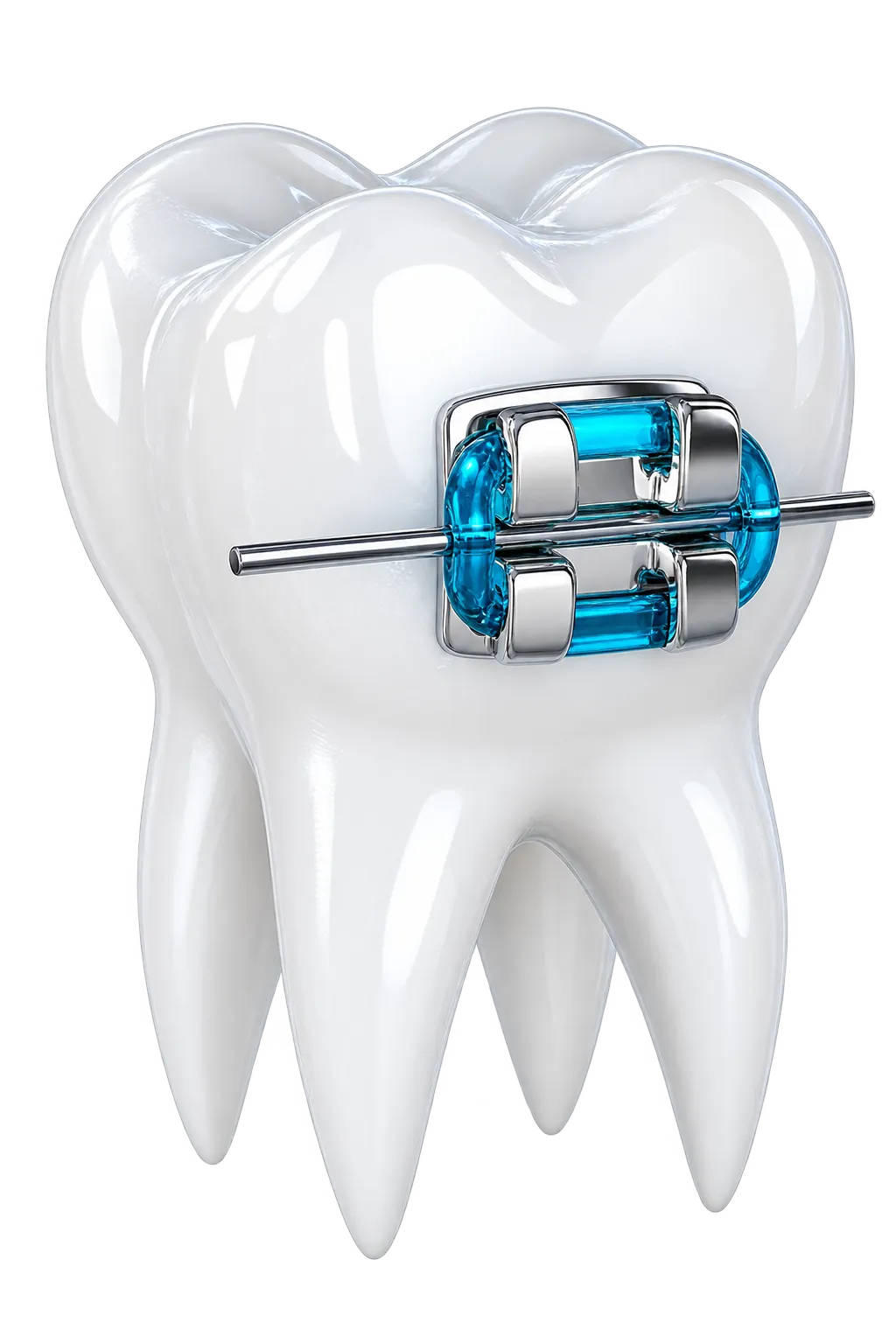
Biomechanics
Force systems reasoned at the level of the single tooth and its anchorage.
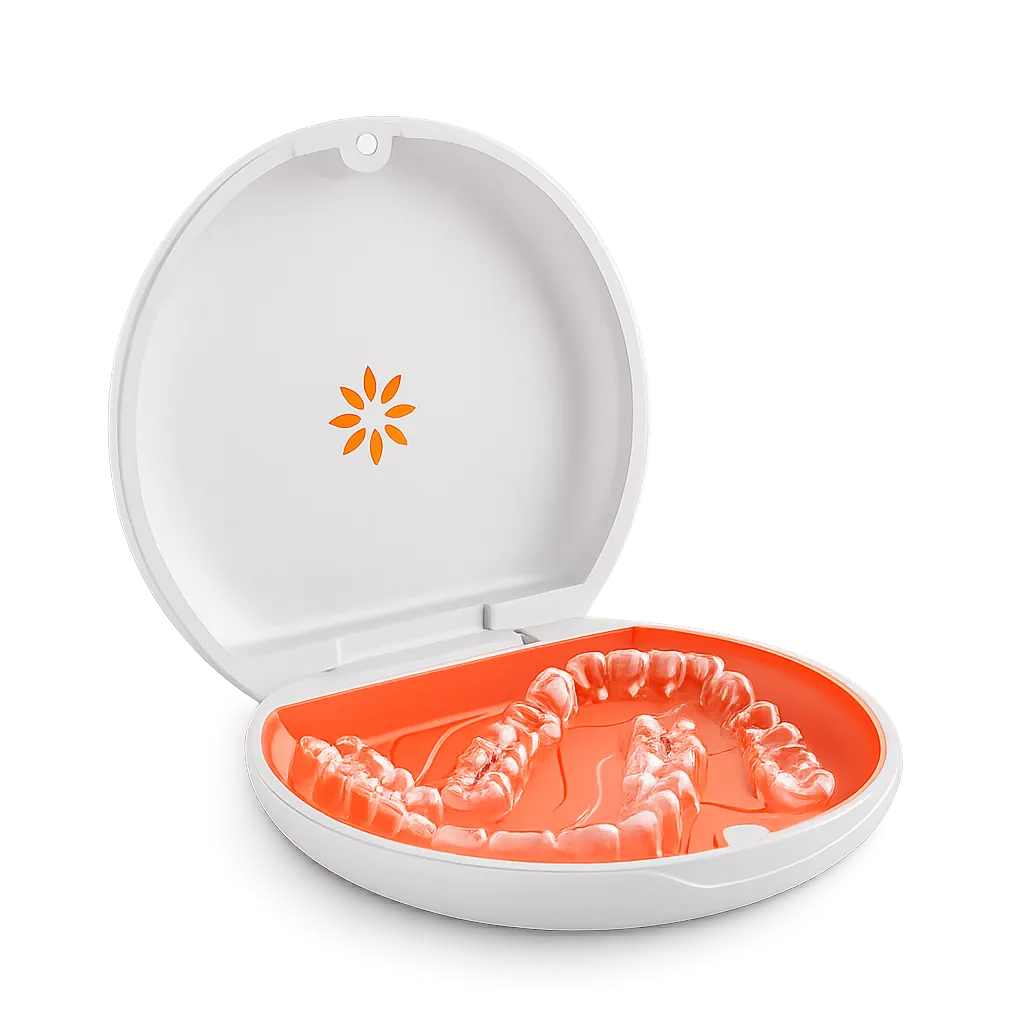
Retention
Retention is part of the plan from the first appointment, not an afterthought.
Questions
Asked most often
It depends on what has to change. Simple alignment may take months; cases involving jaw relationships or impacted teeth take considerably longer. A realistic estimate is only possible once records have been analysed.
For many movements, yes. For some, fixed appliances offer better control. The right answer comes from the movements your case needs, not from the appliance itself.
Adults are treated routinely. What changes with age is not the possibility of movement but the planning — growth is no longer available, and periodontal health becomes a defining constraint.
Only if the space analysis and the bony limits require it. Borderline cases are decided by measurement, not by preference.
Retention. Teeth remain capable of moving for life, so a retention plan is part of the treatment plan, not an afterthought.
Next step
Start with an assessment, not a treatment name.
Send your main concern and records so the first visit can begin with diagnosis and a clear explanation of the options.